
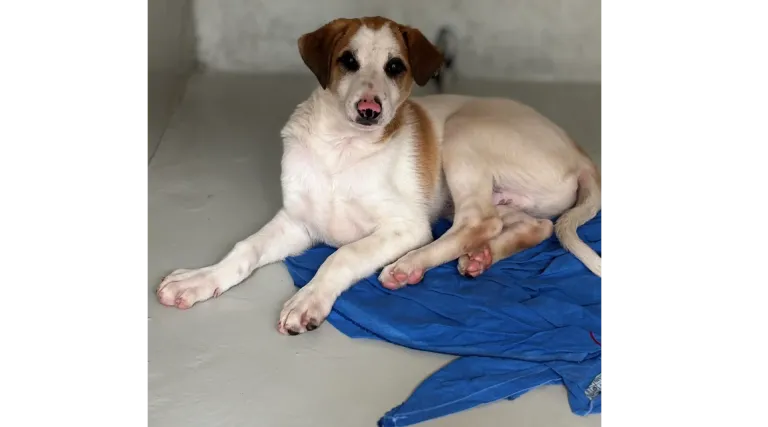
Canine parvovirus, or parvo, is a very common, highly dangerous, and deadly disease. Senior dogs with a medical condition, unvaccinated adult dogs, and puppies that have not completed their vaccination protocol are most prone. CPV spreads through infected faeces that weakens the dog’s immune system, destroying the lining of the intestines and even entering the bloodstream and infecting the bone marrow. Early detection and regular vaccination are the best ways to keep your pets safe and prevent this infection from spreading.
What Is Parvovirus?
Canine Parvovirus (CPV), or parvo, is a deadly and infectious disease caused when puppies and unvaccinated dogs ingest infected faeces. This is more prevalent during monsoons with the stray dog population in India, but it can affect pedigrees, too. It is highly contagious and spreads when dogs come in contact with infected faeces, contaminated surfaces, and infected dogs. This virus attacks the dog’s immune system and gastrointestinal lining, leading to decreased immunity and eventually heart failure.
How Dogs Get Parvo
Dogs contract CPV mostly through direct contact with infected dogs. Another way it is contracted is if infected stool is ingested during their walks. Humans also spread the disease if they have interacted with and touched an infected dog and later pass it on to puppies through contaminated hands or clothes. Other contaminated items include infected food, water bowls, leashes, collars, brushes, shoes, and other accessories, and even contaminated public spaces.
Early Symptoms of Parvo in Dogs
You may have seen similar symptoms when your dog last had a stomach bug, but all pet owners must look out for these signs to determine if it’s more than just a stomach infection and get your dog tested to rule out cases of parvo.
- Lethargy and weakness: Unwilling to play or walk, tired and sleepy
- Loss of appetite: Uninterested in food or treats
- Mild vomiting: Clear or foamy vomit with no traces of blood
- Diarrhoea: Yellow, foul-smelling poop
- Fever: Warm ears and nose, temperature over 103°F (39.4°C)
As these signs are the same for gastroenteritis and other stomach bugs, it is wise to get it checked early.
Advanced and Severe Parvo Symptoms
If the early symptoms are not addressed in time, the virus could have more severe symptoms that could intensify in 2 – 3 days. In such cases, it is critical to rush your pet to the nearest vet for an immediate, thorough examination and full medical treatment. Here are some severe parvo symptoms that you should address urgently:
- Bloody Diarrhoea: Explosive watery stools with red/black flecks and a horrific smell
- Profuse Vomiting: Non-stop, bile-filled, projectile outbursts, which result in your pet eventually collapsing
- Dehydration Crisis: Visible weakness, sunken eyes, cold limbs, and a racing pulse
- Abdominal Pain: Slouching because of severe belly pain
Secondary bacteria trigger sepsis-hospitalisation is now or never.
How Parvo Is Diagnosed
There are 3 – 4 tests that can be conducted to diagnose if the parvovirus is present in your pet. First, the rapid antigen test tests the faecal matter for the infection. It is the quickest but not the most reliable, as sometimes the virus may not be present in the stool.
Your vet could also perform the PCR (Polymerase Chain Reaction) test, which is more sensitive and can detect the CPV virus, which is present in your pet’s DNA. The third test, a CBC (complete blood count), confirms infections by the decrease in white blood cells in the blood. There is a dip in the white blood cells when the virus attacks the bone marrow, reducing the production of WBCs tremendously.
At the BCS Pune outpatient department (OPD), our veterinary doctors provide free parvo treatment for all stray dogs and cats and Indian mixed-breed pet dogs and cats.
Emergency Treatment for Parvo
Since there is no antiviral treatment for CPV or canine parvovirus, immediate symptomatic treatment is provided along with supportive care and overall health management. The first line of treatment is IV (intravenous). With the loss of liquid with excessive vomiting and intense diarrhoea, your pup would be extremely dehydrated, and water and liquid would need to be replenished urgently. Antiemetics and antacids are provided to ease their pain and provide relief, along with antibiotics to prevent secondary bacterial infections.
Since this condition can be fatal, it would require constant monitoring and care, which is why most pets are kept in the veterinary clinics for observation until they regain their strength and symptoms are addressed.
Recovery and Aftercare
Pups and senior dogs with parvovirus take longer to heal than healthy adult dogs. Recovery time varies depending on the age, overall health, underlying medical condition, and whether the dog has any pre-existing illnesses. Since puppies between the ages of 6 weeks and 6 months do not have a well-developed immune system, they are most susceptible to the parvovirus and also take longer to recover, around 10 – 14 days. Adult dogs who may have missed their vaccination are also at risk of getting it and would take a minimum of 7 – 10 days to recover.
90% of the parvovirus treatment is provided at the veterinary clinic itself. Once the dog is back home, isolation is key to help them to recover well. Food needs to be bland with probiotics to heal the gut, or as advised by the vet. Avoid public places like parks and play zones, as the virus continues to shed for weeks after it has been treated. Ensure you get your dog fully vaccinated once they have recovered to avoid a relapse.
Preventing Parvo Through Vaccination
If you have a puppy, start vaccinations as early as 6 weeks. The primary way to keep your pup safe from contracting this deadly disease is by vaccination, which will need to be administered regularly until 16 weeks. Follow it up with regular annual booster shots to keep all virus and bacterial infections at bay.
Remember, at BCS Pune, we provide free Anti-rabies vaccine. The 9-in-1 vaccine is provided at a nominal cost of Rs 1000. So, you can visit BCS Pune OPD to learn more about keeping your puppies safe and learn more about this deadly virus.