
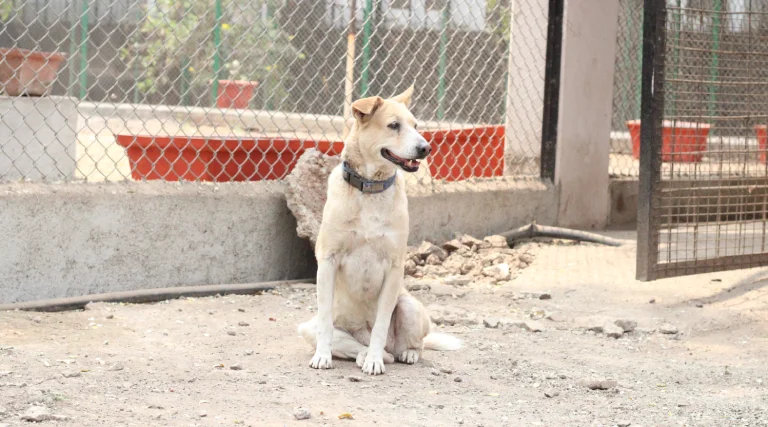
As a pet parent, you may be wondering, “Does my female dog menstruate or get their period like humans do?” Well, not exactly. Female dogs experience something similar to humans; however, this is referred to as an oestrus cycle, commonly known as being on heat. The discharge is part of their reproductive cycle but is not to be mistaken for menstruation. As they experience this only once or twice a year, unlike humans, it is primarily a sign that they are fertile and ready to reproduce.
Introduction
Are you confused about this too? Is the bleeding menstruation? The simple answer is – no, it’s not. On the contrary, the bleeding indicates that the dog is ready to mate and can get pregnant during this time. However, if your dog is sterilised or spayed, then there is no sign of bleeding, and you can rest assured that she will not get pregnant. If you do notice that your pet is bleeding excessively or has been spayed but is still bleeding, you should reach out to your vet immediately.
Do Dogs Get Periods?
No, not periods, but they experience something called the oestrous cycle (heat cycle). In general, most female dogs experience their first heat cycle between 6 and 12 months of age. Smaller breeds may begin as early as 4 months, while larger breeds might start closer to 18 – 24 months.
Why Dogs Bleed If They Don’t Menstruate
A common misconception is that menstruation is the same for dogs as it is for humans. In humans, menstruation is the shedding of the uterine lining when pregnancy does not occur. In dogs, however, the heat cycle is part of the oestrous cycle, and it includes hormonal and physical changes that prepare the body for potential pregnancy. Dogs do not shed their uterine lining in the same way humans do; instead, the blood-tinged discharge is due to changes in hormone levels and increased blood flow to the reproductive organs, preparing the body for pregnancy.
Heat Cycle vs Human Periods
| Oestrous Cycle (On Heat) | Menstrual Cycle (Period Cycle) | |
| Occurrence | Occurs in non-primate mammals (dogs, cows, cats, etc.) | Occurs in primate mammals (monkeys, apes, human beings) |
| Blood loss | Spotting or blood-tinged vaginal discharge | Loss of blood occurs |
| Cycle duration (discharge) | Lasts from 3/14/21 days | Lasts for 3 – 5 days |
| Sexual urge | Sexual urge increases | No sexual urge |
| Recurrence | Every 6 months | Every month |
The Dog Heat Cycle Explained Step by Step
The reproductive cycle of a female dog is called an oestrous cycle and has four phases:
- Proestrus: This is the beginning of the heat cycle. Visible changes like swelling of the vulva and a blood-tinged vaginal discharge are observed. Female dogs will not allow mating to occur in this phase. This phase lasts anywhere from a few days to a few weeks depending on the size and breed of the dog. On average, it lasts 7 to 10 days.
- Oestrus: This phase is also known as “heat”. This is the time when the female dog will allow mating to occur. This phase of the cycle lasts anywhere from 3 to 21 days, with an average length of 9 days.
- Diestrus: This phase occurs directly after the “in heat” stage and lasts for about 2 months. The body proceeds with the pregnancy or returns to rest, as the vulva returns to normal size and the vaginal discharge disappears.
- Anoestrus: This is defined as the timeframe when the cycle ends. This phase usually lasts about 4 – 5 months and is considered the resting phase between cycles.
Is Bleeding in Female Dogs Normal or a Warning Sign?
When Bleeding Is Normal
If your dog has not been spayed, there will be a bloody discharge when they are on heat every 6 months. This is the only case where bleeding is normal.
Blood in the urine may indicate a UTI or urinary tract infection and requires that you take your dog to a vet to get it addressed.
When You Should See a Vet Immediately
Your dog may bleed for a period of 3 – 21 days during the oestrus phase; however, anything over and above that calls for your vet’s intervention. Other instances of taking your dog to a vet when you notice bleeding are mentioned below for your reference.
- Pyometra is a medical condition that may arise during or after an oestrus cycle and is an infection in the uterus. Pyometra is a serious, life-threatening condition that requires immediate medical intervention.
- Miscarriage resulting in excessive bleeding from the vulva after your pet has mated with another dog during the oestrus cycle.
- Vaginitis, or vaginal inflammation, occurs when a spayed female dog is experiencing vaginal discharge that contains blood; she may be suffering from vaginal inflammation or vaginitis.
- Vaginal tumours occur when unspayed female dogs develop vaginal tumours as they age. Most vaginal tumours are benign, or non-cancerous, and can cause vulvar bleeding as well as blood in the urine, vaginal odour and difficulty giving birth.
What to Do When Your Dog Is on Heat
Now that you’ve learnt about the oestrus phase and that your unspayed dog will be on heat at least twice a year, you want to be more sensitive to your dog’s needs, and knowing that they are going through hormonal changes, you may want to be more caring and responsive to their needs.
- Safe space: Dogs tend to feel unsafe and exposed when they are on heat, so providing a quiet, clean and safe space is essential for them to feel comfortable and protected.
- Attention and affection: Pay attention to any changes in their behaviour. You may need to be more affectionate during this time. Gentle petting and giving them company can help reduce their discomfort, but don’t overdo it. They may not enjoy the petting as much as your presence near them.
- Routine walks: To distract your dog from the discomfort and anxiety, you could increase the frequency of walks and potty breaks. However, keep them on a leash and avoid non-neutered male dogs.
- Hygiene and cleanliness: Dogs have a natural tendency to keep themselves and their surroundings clean. However, in case there is heavy bleeding, you could help your dog with dog nappies/diapers to manage discharge and keep them clean.
If your dog has an accident during her heat cycle and unexpectedly messes up the place, be patient, avoid scolding her and speak to her calmly instead. Remember, you need to be more caring and understanding during this uncomfortable and vulnerable phase.
Does Spaying Stop Periods and Heat Cycles?
Spaying is a common medical procedure also known as an ovariohysterectomy, wherein the ovaries and uterus are removed. This procedure stops your dog from having an oestrus cycle or going on heat. Ideally, spaying your dog before the first heat protects your dog from many health conditions. However, it is best to contact your vet to determine the most appropriate time to get your dog spayed based on their temperament, health and age.
Spaying is considered very beneficial to female dogs, as the procedure prevents them from a number of medical conditions like breast cancer, ovarian cancer, pyometra (uterine infection) and hormonal fluctuations, among many others. Spaying also increases their lifespan and improves the quality of their lives.
Common Myths and Misconceptions
- Myth: Dogs bleed every month.
Fact: Dogs bleed 1 – 2 times a year depending on their size during the oestrus cycle. - Myth: Bleeding means pain.
Fact: This is untrue for dogs, as they do not experience pain during heat cycles. If they do or show discomfort, they may need to be taken to a vet. - Myth: All bleeding is dangerous.
Fact: It is normal for dogs to bleed during heat cycles. However, if the bleeding is excessive or unusual in anyway, it may be time to visit the vet.
FAQs About Periods and Heat in Dogs
- Is it true that female dogs have periods?
Female dogs don’t menstruate like humans, but they do have heat cycles, in which they can have some vaginal discharge or bleeding. During this time, they are fertile and able to reproduce.
- Do all female dogs bleed during heat?
Most female dogs bleed during the oestrus cycle; however, female dogs that are spayed or dogs above 12 – 14 years do not bleed.
- How long does a dog stay in heat?
The oestrus cycle lasts around 3 to 21 days.
- Can dogs get pregnant during bleeding?
Yes, it is possible for dogs to get pregnant during this time.
- Do male dogs get periods?
No. They do not get what female dogs get – periods, also referred to as an oestrus cycle.
- Can heat cycles be delayed?
Yes, heat cycles can be delayed if your dog is on medication, if their reproductive organs are not fully developed or if they have a medical condition.
What to Do Next
It is normal to be curious about your pet’s health. Any abnormalities in their heat cycles should immediately be brought to the attention of your local vet. If you are unsure about your dog’s oestrus cycle, you can reach out to our panel of experienced vets who can answer any questions you may have.
Keep an eye on your pet’s behaviour during their cycles and book a pet visit with us if you observe any abnormalities, unusual discharge, discomfort or excessive bleeding. We are happy to guide you and bring your dog back to good health.