
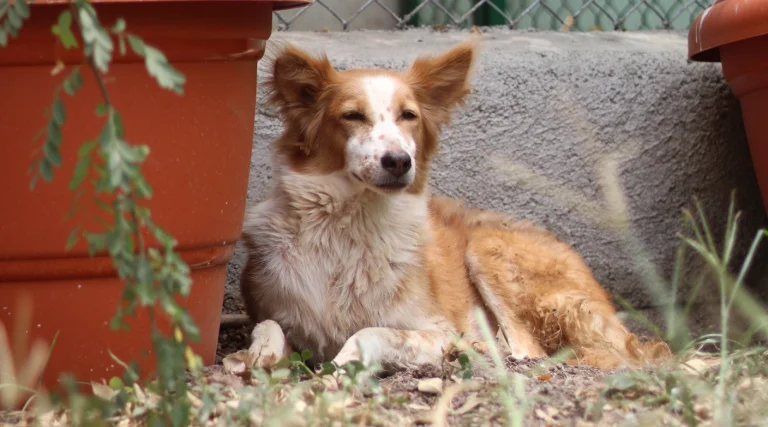
You may notice that your dog has dry skin, scales, wet patches, dry patches, loss of fur, and sometimes excessive scratching or licking in the summer. This may seem like common symptoms that occur due to the heat, but let’s look at what your dog is facing and how you can provide relief to them by identifying the causes and providing them with natural relief.
In this blog, you will learn more about frequent skin conditions in dogs, what causes them, and what steps you can take when you identify them.
Why Do Dogs Get Skin Problems in Summer?
Just like humans, your dogs also experience dry skin, itchiness, and heat boils due to the intense heat during summer. Add to that, during summer, parasites like ticks, fleas, and even mosquitoes are most active, which makes your dogs uncomfortable and uncontrollably itchy. Here are some skin conditions to watch out for
Common Summer Skin Triggers in Dogs
Heat and Excess Sweating: Dogs with thick coats or folds may find it hard during the summer as moisture and heat get trapped in their fur and skin, making summer unbearable.
Allergens and Environmental Irritants: Strong cleaning products (that may not be dog-friendly), pollen, grass, mould, etc., can cause allergic reactions, making them itch after they come back from their walks.
Fleas, Ticks, and Parasites: There is a known increase in annoying parasites like ticks and fleas that are on plants. They can cause extreme itchiness when they come in contact with your dogs, when they’re out on their walks, or playing outdoors.
Common Dog Skin Problems in Summer (India)
The most common skin problem for dogs during summer is itchy skin. It is important to keep an eye on them to ensure their skin does not get infected and the itch is treated immediately. Let’s look at some other issues that might crop up this summer.
| Skin Problem | Signs | Triggers |
| Itchy Skin | scratching, rubbing, licking paws, chewing skin | fleas, allergens, heat, or dampness |
| Skin allergies | red rashes, hot spots, watery eyes, sneezing, excessive licking | pollen, grass, dust mites, insect bites, and cleaning products |
| Rash and skin irritation | pink/red patches, raised bumps, discomfort in high-friction or moist areas (belly, armpits, groin) | trapped heat, damp undercoat, friction from collar/harness |
| Fungal or bacterial skin infections | smelly, scaly patches, scabs, pustules, hair loss; often secondary to moisture or scratching | yeast overgrowth in folds, bacterial infection after a wound |
| Tick and flea bites | small red bumps, intense itching, localized swelling; flea allergy can cause severe flaking and hair loss | external parasites active in warm weather |
Symptoms of Dog Skin Allergies in Summer
As mentioned earlier, your dog might face mild symptoms from occasional scratching and licking to more severe symptoms like pustules and boils or bald patches and open sores.
If you notice pus, scabs, or bad odour, you should check with your vet within 48 hours of the symptoms appearing. If you notice your dog in immense pain, has a fever, severe bleeding, or lethargy, you should rush your pet to urgent veterinary care.
How to Relieve Dog Itchy Skin in Summer at Home
These are a few home remedies you could follow to ensure your dog is comfortable and their skin is clear from any skin ailments this summer.
Keep Your Dog Cool and Dry: After a bath, ensure your dog dries off well in the sun. Ensure his surroundings are cool, clean, and dry. Look out for damp spots, especially near his tail, insides of the legs, and or between his paws.
Regular Grooming and Bathing: After a bath, brush your dogs to double-check that there are no wet patches, dirt, or loose fur. Use only dog-friendly medicated shampoos and soaps for your pet to avoid irritation or reactions. Do not over-groom or bathe your dog, as that removes the natural oils from their bodies. During the summer, it is helpful to get your dog’s fur trimmed to reduce skin irritation, wet patches, and parasites from troubling your pet further.
Check for Fleas and Ticks: Daily after their walks, check your dog for fleas and ticks that are most prevalent during the summer. Only use vet-approved anti-tick shampoos, sprays, or flea preventives to ensure your pets stay tick-free.
Avoid Common Allergens: After every walk, it’s a good practice to wipe your dog’s coat, especially around their genitals, tails, and inner legs. These areas are most prone to allergens from freshly cut grass that irritate them during their walks.
What NOT to Apply on Dog Skin: Avoid human creams and human medicines at all costs, as they are highly toxic to animals and could lead to allergies and skin reactions. Do not use any antibiotics or undiluted essential oils (tea-tree) on your dog’s wounds or sores, as that could aggravate their symptoms and delay healing.
When Should You Visit a Vet for Dog Skin Problems?
If you notice red patches worsen, strange odours, or visible pus boils increase on your pet, it’s time to seek immediate vet advice. In case you are in doubt, make a note of your dog’s symptoms and monitor their behaviour over 24- 48 hours.
Visit a Vet Within 24-48 Hours: If you notice continuous scratching or licking that forms a bruise. If your dog continues to lick his paws or a rash that is spreading, it is time to see your vet and seek their medical opinion.
Seek Immediate Care If: If your dog has visible signs like pustules, bleeding, loss of appetite, lethargy, or visible open wounds that are not healing. Other adverse symptoms could include having trouble breathing or swelling of the face due to a possible allergic reaction. In such cases, do not delay; rush your pet to the nearest vet for immediate medical attention.
Symptoms and Vet Action Guide
It’s understandable to worry about your pet canine; however, check the symptoms and take action accordingly. Here’s what you should do if you notice symptoms at various stages of your dog’s skin infection. Visit your vet only in case the symptoms do not go away after 48 hours, and you notice systemic signs like weakness, loss of appetite, and strange odours from their infection.
| What you should do | Symptoms |
| Observe and home care for 48 hours | Mild itching |
| Visit your vet within 48 hours | Persistent itching/hair loss/scaling |
| Emergency vet visit | Pus/bleeding/fever/systemic signs (Vomiting, loss of appetite, weakness, weight loss, lethargy) |
How Vets Treat Dog Skin Allergies in Summer
Common veterinary treatments for dog skin allergies include topical treatments and allergy management. Here is a list of treatments that vets provide for any skin allergies.
Common Veterinary Treatments
| Type of Treatment | Treatment | How it helps |
| Topical | Medicated Shampoos and Wipes | ● Removes surface crusts
● Eliminates bacterias ● Soothes irritated skin |
| Localised Ointments and Sprays | ||
| Systemic Medications | Antibiotics and Antifungals | ● Fights bacterial infection
● Rapidly breaks the itch-scratch cycle ● Manages chronic eczema |
| Anti-itch and Anti-inflammatory Drugs | ||
| Parasite Control and Prevention | Flea prevention Deworming |
● Protects from flea and tick bites |
| Allergy Management and Dietary Trials | Elimination Diets | ● Pinpoints specific food triggers |
| Immunotherapy | ● Retrains the immune system to tolerate environmental allergens like pollen, dust mites | |
| Nutritional Support and Supplements | Omega-3 Omega-6 Fatty Acids |
● Reduces chronic itching, hot spots, and redness
● Keeps moisture in and allergens out |
| Oral Medication | Oral Antibiotics | ● Clears the bacteria |
| Antifungals | ● Stops the enzymes that cause the growth of fungal cells | |
| Immunosuppressants | ● Suppresses overactive immune systems | |
| Antihistamines | ● Reduces mild allergic reactions |
How to Prevent Dog Skin Problems in Summer (India)
Dog skin problems are inevitable with the scorching heat in India; however, as parents, there are a few practices that you can follow to keep your pets cool and far from parasites or any skin ailments this summer. These few habits can make a big difference in keeping your pets comfortable and happy, although it may be scorching outside.
Cool environment: Ensure your dogs go for walks only early in the mornings and late evenings. Avoid afternoons, as that could lead to wet patches and other skin issues. Keep their surroundings cool, and if they are mostly outdoors, ensure there is enough shade to keep temperatures low. Also, avoid damp beds as this could allow for skin bacteria to thrive.
Grooming: If your dog has a thick coat of fur, ensure that they are regularly brushed and the fur is trimmed so that their skin can breathe during peak summer. Bathe your pets with vet-approved medicated shampoo and ensure they dry properly, especially their ears, insides of their legs, and paw pads.
Parasite prevention: Make a trip to your vet to get an annual dose of anti-tick or flea medicine to keep your pet safe. Wipe your dogs after every walk to ensure there are no ticks or fleas, especially in their paws or behind the ears. In case of an infestation, ensure the whole house is treated and kept squeaky clean. This includes your furniture, bed curtains, carpets, etc as well as your pet’s bedding, leash collar, and other places that they frequent.
Diet and Hydration: Ensure your pet is given balanced and nutritious meals during the day, and there is plenty of fresh, clean, and cool water available at all times.
Supplements: Provide your pets with supplements like omega-3 and fatty acids, as these supplements provide relief from constant itching and keep allergens away.
Allergens: Keep allergens at bay by wiping your pet’s paws after their walks outdoors. Keep their bedding clean and dry. Avoid wetting their beds because that causes more harm than relief during the summer.
Conclusion
Indian summers can wreak havoc with your pets’ skin from allergic reactions to bacterial and fungal infections that can grow and worsen if not treated immediately. However, there are simple ways you can keep all these skin infections away by simple practices of keeping their environment shady, clean, and cool, keeping them clean from parasites by wiping them after a walk, and keeping them healthy with nutritious food and necessary supplements to fight any infection that may hit them. In case an infection or allergy does occur, keep your vet in the loop and follow their advice to bring your beloved pets to perfect health.