
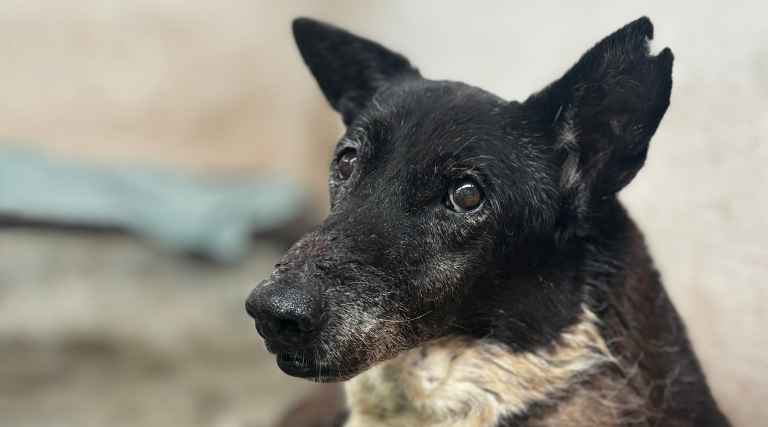
Is Dog Vomiting Normal or a Warning Sign?
Vomiting is common in almost all animals and it is no different for dogs to vomit from time to time. But if it is excessive and your dog loses his appetite or if there are traces of blood, it is no longer a normal symptom and would require veterinary intervention. In this blog let’s look at when vomiting is normal, what to look out for in case it gets serious and when is it time to take your dog for a vet visit.
Common Causes of Vomiting in Dogs
Vomiting in dogs is quite common, especially if they have indigestion or regurgitate grass that they’ve eaten to soothe their stomachs. In addition, there could be other causes for your dog to vomit. Here are a few reasons to keep in mind.
● Dietary Indiscretion (Eating Wrong Food):
If your dog has picked up raw meat or contaminated food off the road while on his walks, that could lead to an upset stomach.
● Infections and Parasites:
With the change in season, there are many worms and parasites prevalent that could infect your dog, leading to irritation and vomiting.
● Toxins or Poisoning:
If your dog happens to eat table scraps that include avocado, chocolate or accidentally ingest medicines off the floor, all these could lead to food poisoning and cause vomiting.
● Motion Sickness or Stress:
Many times your dog may feel uneasy after a long drive and the stress of a drive could cause vomiting or removal of bile.
● Serious Health Conditions:
One of the symptoms of an internal medical condition like poor liver or kidney, pancreatitis or gastrointestinal infections is vomiting and diarrohea and must be checked by your vet.
Symptoms Accompanying Dog Vomiting
If you notice your dog experiencing any adverse symptoms, you might want to check with your vet for immediate medical attention.
● Repeated Vomiting Episodes:
If your pet vomits once, it’s natural. However, if your pet is vomiting several times over the whole day or constantly like there’s something stuck in his food passage. You should quickly check with your vet about next steps and or medication.
● Blood in Vomit;
If you notice blood in their vomit, this is concerning. This could either be a severe reaction to a food that’s been ingested or a severe gastrointestinal condition. Get your vet’s opinion on what steps you need to take.
● Lethargy and Weakness:
If vomiting is accompanied by lethargy and weakness, your dog is extremely dehydrated and needs medical attention. Visit your vet immediately to regain your dog’s strength.
How Vets Diagnose Vomiting in Dogs
Vets perform various tests from physical examination to x-rays to diagnose and analyse the root cause of your dog’s illness. Here are a few tests that your vet performs, but it depends on the physical exam and how your dog reacts in the first 24 hours of medication.
- Physical Exam
- Stool test
- Blood test
- X-ray or ultrasound
- Additional tests (depending on severity)
a. Toxin test
b. Endoscopy
c. Faecal PCR
Treatment for Dog Vomiting
Depending on how your dog responds to the initial treatment, your vet may provide fluids so that your pet can regain their energy and improve their hydration levels. Antibiotics are given to fight any infection in their gastrointestinal tract. Anti-inflammatory or pain medication is given to alleviate any discomfort or pain. Surgery is recommended as a last resort, in case there is a foreign body lodged in the respiratory passage or food cavity.
● Home Care for Mild Vomiting
● Veterinary Treatment for Severe Symptoms
What to Feed a Dog After Vomiting
It is not ideal to feed your dog after they have vomited. Dogs feel very uncomfortable and drained after vomiting and temporarily lose their appetite too. Hence it’s better to let them rest and keep them hydrated rather than giving them food. Once they feel better, they will ask you for food. At such times, allow them small portions of bland food like plain boiled chicken and a small portion of plain rice or as advised by the doctor. Avoid treats, spicy or oily food that could irritate or aggravate their stomach further.
When to Visit a Vet Immediately
Seeing your dog sick, weak or in discomfort is the last thing any pet parent would want. However, how would you know if this is just a passing symptom or if your dog needs urgent medical attention and see a vet immediately.
If you notice your pet relentlessly vomiting the whole day (~24 hours) which leads to severe lethargy or making them collapse. If you notice them in pain or in discomfort, not behaving like they usually would–like not running to the window if they heard a dog fight/bark or heard a strange cat meow outside the door. They refuse to get up for meals or their treats. You notice black spots (like coffee-ground mass) or blood in their vomit, then it’s time to rush them to the nearest vet for immediate medical attention.
How to Prevent Vomiting in Dogs
Avoid giving your dog any solid food for at least 12 hours. Let your dog’s digestive system rest and heal. Once they feel better, they will come and ask you. Keep them well hydrated by giving them a few sips of water or ice chips.
Frequently Asked Questions About Dog Vomiting
● Can curd (yogurt) help?
Curd may help if you suspect that it is mild indigestion. However, many dogs are lactose intolerant and curd may cause more discomfort. Check with your doctor before giving curd or any food to your dog after he has vomited.
● Is vomiting after eating normal?
No. Vomiting after eating is not normal. Dogs may occasionally regurgitate their food if they have eaten too fast. However, if they vomit every day after eating or after every meal, it is an indication that their GI tract is blocked or constricted. It is crucial to get a medical opinion and treatment before
● What home remedies work?
Allow your dog to rest for 6 – 12 hours after vomiting. This helps their stomach lining to rest and recover. Give them small sips of water every now and then to keep them hydrated.
● Can I give my dog Pepto-Bismol or other OTC meds?
Avoid human medicines to your dog at all cost. Human OTC meds are toxic and cause more harm than help your dog.
How long should I wait before seeing a vet?
Monitor your dog. If your dog is active and can hold food and water down. He may not need medical attention. However, if your dog is vomiting continuously for over 12 hours, and you notice traces of blood or he becomes lethargic, collapses or is unable to hold water or food down, you need to rush your dog to immediate veterinary medical care.
Final Thoughts on Dog Vomiting
No one knows your dog better than you. Vomiting could be caused due to several reasons from a gastrointestinal (GI) tract blockage or a change of food that your dog finds difficult to digest to stomach irritation or something more severe like Exocrine Pancreatic Insufficiency (EPI), where the pancreas are unable to produce an enzyme that is needed to break down food. It’s vital to monitor your dog when you notice him vomiting. If the symptoms continue beyond 12 – 24 hours call your vet immediately.