
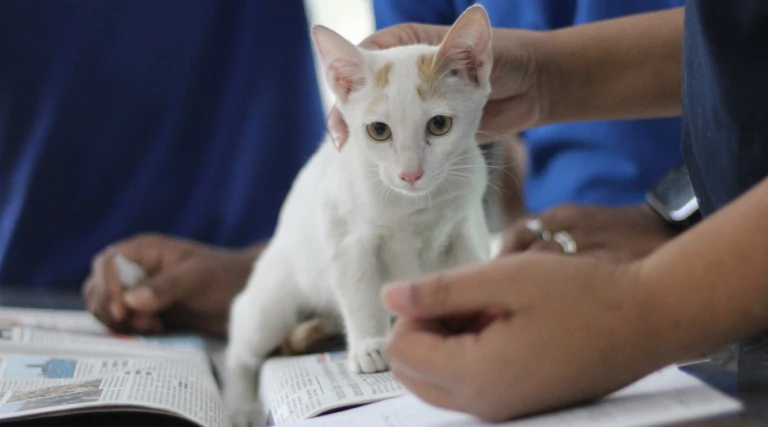
As cat owners, you must be fairly used to your cats’ erratic behaviour, from hiding under the bed all day to zoomies at 2 am and pruning and grooming themselves to investigating your grocery bag and crouching into empty cartons. You know exactly when they’re hungry or when they need to be cuddled. However, when it comes to an illness, how can you tell when they are unwell or uneasy?
Understanding Normal versus Strange Cat Behavior
Cats are known to be very antisocial and distant; however, they demand your immediate attention and cuddling only when they are in the mood. If your cat displays any behaviour that is contrary to their usual behaviour or routine, it is something that you should not take lightly. So anything out of the ordinary, like excessive grooming or not grooming at all, drinking a lot of water or refusing to eat, could be strange behaviour and require your attention or medical aid.
Why Do Cats Show Unusual Behaviour?
Purring, tail movements, biting, kneading and following you around the house are all natural signs cats exhibit in different surroundings. However, here are some common and unusual cat behaviours that you may find helpful in addressing and treating.
| Common Behaviour | Unusual Behaviour |
| A raised and upright tail is a sign of happiness and contentment. | A twitching or active tail is a sign of agitation or disapproval. |
| Purring is a signal of relaxation and affection. | Purring can be used to self-soothe when stressed or ill. |
| Attempting to bury food is a survival instinct to try and hide it from larger predators. | Refusing food is an indication of discomfort or digestive issues. |
| Meows indicate a request for food, attention, or access to restricted areas. | Meowing intensity and tone vary depending on urgency or demands. |
| Avoiding the use of the litter box if it’s dirty or inaccessible. | Eliminating the litter box when accessible may indicate a health concern |
| Chewing on non-food items, aka Pica, may indicate boredom or dietary deficiencies. | Eating grass is linked to stomach relief or dietary supplementation. |
| Zoomies during the night indicate readiness to hunt and play. | Lack of playing and jumping may indicate they are in pain or uncomfortable. |
Common Strange Cat Behaviors That May Signal Health Problems
Cats often express themselves through unusual behaviour when they are sick or in pain. These signs can easily be missed if misread as attention-seeking or them being playful, or just being unusual. Many veterinary experts say 70% of signs are missed, and it is often too late to take any corrective action. Here are some red flags and what ailment your cat might be complaining about.
Behavioural Signs Linked to Specific Health Problems
Your cat could be indirectly signalling an illness, pain, or anxiety through many unconscious and unusual behavioural traits. Here’s what your cat is complaining about if they are behaving strangely.
| Behaviour | Action | Medical Condition |
| Lethargy, Thirsty | Flooding of litter box | Kidney disease or UTI |
| Weight loss despite eating | Meowing excessively | Hyperthyroidism |
| Lack of appetite | Drooling | Dental pain |
| Avoiding the litter box | Straining and crying | UTIs/bladder stones |
| Irritable when touched | Hiding, swatting | Arthritis |
| Guzzling water | Urinating excessively | Diabetes |
| Loss of appetite | Behaving strangely or oddly | Cancer |
These behaviours could be masking or signalling other illnesses too. It is best to seek your vet’s advice if the behaviour continues for more than two days.
When Is Strange Cat Behaviour an Emergency?
You know your cat needs urgent medical care when they refuse to eat, are unable to walk, seem extremely lethargic, and refuse to play all day. Typical red flags would be blood in their stool or urine, difficulty breathing, seizures, paralysis, or inability to get up or walk. Your furry babies are in major discomfort and pain. Rush them immediately to your nearest vet for an examination and medical intervention.
When to See a Vet
Cats can be a challenge when it comes to expressing their discomfort, illness, or anxiety. However, they show signs long before the symptoms develop. You can tell from a change in their routine that there is something amiss. From sleeping excessively to not spending time grooming or a change in the way they purr, these are ways your cat is calling for attention. If you notice that your cat seems troubled for more than 2 days, it is time you should consult a vet.
How to Monitor Changes in Your Cat’s Behavior
Here’s how you can track your cat’s behaviour and note any discrepancies with your vet. There are several apps available online to keep track of, journal, or log your cat’s movements and habits. You can log your cat’s bowel movements, energy levels, and food habits and also note if there are any irregularities like lethargy or loss of appetite, bringing it to the notice of your vet. If you need to step out for work or run an errand and may not catch your cat’s every move, there are also gadgets like webcams to track your cat’s movements while you are away.
Tips to Keep Your Cat Healthy and Stress-Free
It all begins with a healthy and balanced diet. Ensure your cat is given protein-rich food like chicken liver and fish, or vet-approved cat food if they have poor digestion or other health conditions. Follow your half-yearly or annual check-ups with your vet diligently to keep your cat healthy and safe from any seasonal viruses or pathogens. Place toys and scratch pads at various spots in the house to keep your cat engaged and active during the day.
If you want to learn more about common health issues and behaviour changes in pets, you can visit our blogs page for detailed guides.
FAQs About Cat Behavior Changes
Why is my cat acting weird suddenly?
There are many reasons why your cat is acting weird. Some of the main reasons could be stress, pain, or illness. Your vet can rule out whether it is a health condition.
Is it stress or illness?
Cats can show similar behaviour for stress or illness. If their behaviour persists, it is likely a health condition.
When should I worry?
If your cat refuses to eat for over 24 hours, you should call your vet immediately.
Conclusion
Whether it’s your cat or dog, animals have a subtle way of telling you that there is a problem or that they are feeling discomfort. Keep an eye out for unusual or strange behaviour like excessive grooming, overeating or loss of appetite, drinking a lot of water, or sleeping excessively and not playing at all. These are all signs that they are giving you to get your attention and seek help. Early detection can save your feline companion and protect them from the inevitable by getting a timely checkup at your nearest vet. Don’t wait; call your vet right away.